
Remember when “being on social media” just meant having a Facebook page? Those days are long gone. Now you’ve got Instagram Reels, LinkedIn newsletters, TikTok trends that last 48 hours, Reddit AMAs, Pinterest boards, and about a dozen other platforms all demanding your attention.
The good news is that you don’t need to have a presence on every single one of these platforms. The better news?
When you show up on the right platforms with an optimized approach, the results can be transformative.
This guide walks you through each major social platform, with specific strategies for how each one works, what your audience expects there, and how to create content that drives real engagement.
Plus, we can help you figure out which emerging platforms are worth experimenting with and which ones you can ignore.
Search Everywhere Optimization
Before diving into individual platforms, it’s worth stepping back to understand how these channels fit together in the current moment. There are dozens of platforms to choose from—do you really need to create content for them all?
The short answer: no. But you do need to understand how consumer behavior has fundamentally shifted. As marketing strategist Neil Patel explains, people aren’t really “searching” anymore in the traditional sense. They’re making rapid-fire decisions across multiple touchpoints: a TikTok comment, a Reddit thread, a ChatGPT answer, an Amazon review. These are the new decision-making moments, and only 27% of all search activity happens on Google. The other 73% is scattered across Instagram, TikTok, Amazon, Reddit, YouTube, and AI platforms.
This idea is known as “Search Everywhere Optimization,” or the practice of optimizing for every platform where decisions get made, not just Google. Each platform serves a different psychological function: Google for initial discovery, Reddit for validation, Amazon for social proof, TikTok for emotional resonance, ChatGPT for recommendations. If you’re not showing up in those micro-decision moments, you’re invisible, no matter how good your Google ranking is.
So how do you prioritize? One technique is to use the RICE framework, a guide for quantifying the opportunities based on their estimated reach and impact, your confidence in succeeding, and the ease of execution.
The RICE Framework
Here’s how you can make the RICE framework for prioritization work for you:
- Start by rating each platform from 1-10 based on Reach (how many people search there daily), Impact (potential business impact), Confidence (likelihood you’ll succeed), and Ease (execution difficulty).
- For each platform, multiply the Reach, Impact, and Confidence scores, then divide by the Ease score. The result is your RICE score for that platform.
- Compare scores across different platforms; this framework gives you a consistent numerical basis for evaluating opportunities and deciding which may have the biggest impact for your business.
For most businesses, that means focusing deeply on 2-3 platforms maximum where your customers validate decisions, then expanding strategically from there. The goal isn’t omnipresence, it’s being woven into the fabric of how decisions get made in your industry.
Facebook: Broad Reach and Community Building
With over 3 billion monthly active users worldwide, Facebook remains foundational for reaching a broad, multi-generational audience. Despite perceptions that it’s aging out, Facebook’s largest segment is 25-34 year-olds, followed by 18-24, making it relevant for Millennials and Gen Z alongside older demographics. It’s often the first touchpoint when consumers search for businesses, and it offers robust tools for both organic community-building and paid advertising.
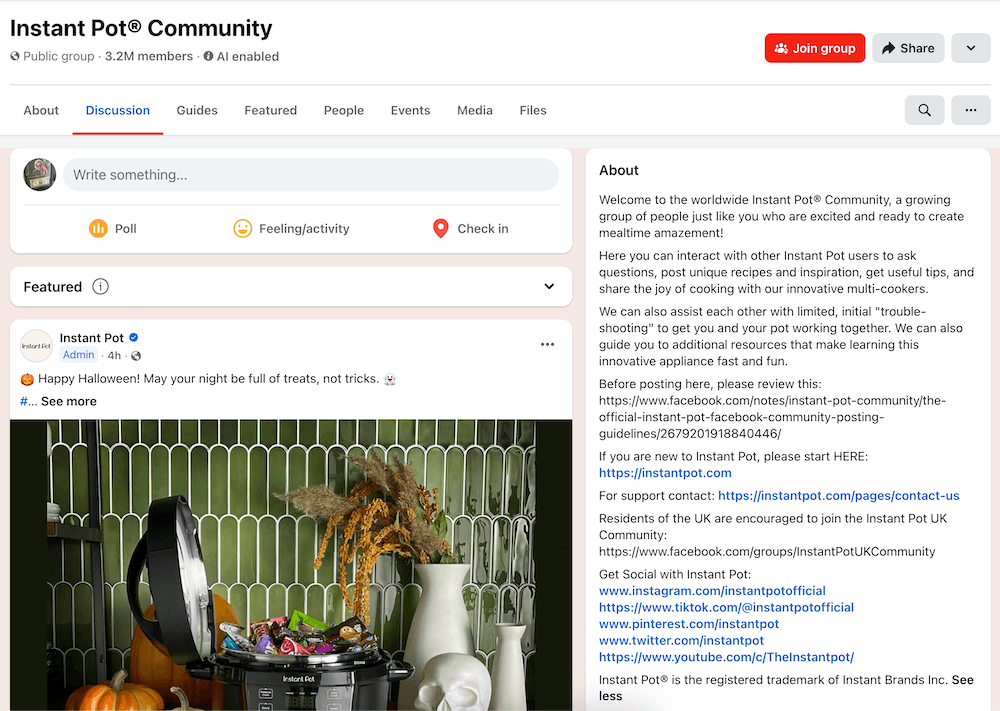
Why it matters: Facebook excels as a community hub. About 60% of user time is spent watching videos, and the platform’s Groups feature is massively underutilized by brands. Companies like Instant Pot have built Facebook Groups with over 3 million members sharing recipes and tips—these communities drive engagement, loyalty, and invaluable product insights. Most users belong to 15+ groups, with 100 million group joins happening daily.
The caveat: Facebook has become largely pay-to-play for brands. Organic reach on Business Pages is limited, so you’ll need to combine organic content with boosted posts or targeted ads for maximum visibility.
How to optimize your Facebook presence:
- Mix up your content formats. Don’t just post text updates—use images, native video uploads, Facebook Stories for 24-hour updates, and Reels for short-form vertical content. Facebook’s algorithm rewards video, so prioritize that format when possible.
- Leverage Groups for intimate community building. Create a private or public Group around your brand or niche. Groups bypass the limited News Feed algorithm; members who opt in see your posts more reliably. Offer exclusive value like early product news, Q&As, or insider tips. Grove Collaborative uses invite-only Groups as VIP customer forums, and feedback from one Group even reversed a product discontinuation. Just remember: Groups require active moderation to stay on-brand and valuable.
- Treat Facebook as a customer service channel. Users expect fast responses when they comment on posts or message your Page. Some businesses think of their Facebook page as their new 1-800 number—people expect helpful, human responses on this real-time channel. Quick response times improve your Page’s responsiveness rating and build trust publicly.
- Combine organic and paid strategically. Start simple by boosting high-performing posts to extend reach beyond your followers. When ready, use Facebook Ads Manager for targeted campaigns—you can narrow audiences by demographics, interests, behaviors, and location with remarkable precision. A blend of authentic organic content and strategic paid promotion is the recipe for Facebook success.
Instagram: Visual Storytelling and Influencer Engagement
Instagram has evolved from a simple photo app into a cultural powerhouse with 3 billion monthly active users. Users spend an average of 33.1 minutes per day on the app, and as of 2024 it was the most downloaded app globally. The platform skews younger (18-34) and is built for aspirational content, brand discovery, and influencer marketing.
Why it matters: Instagram is all about visual storytelling, making it ideal for lifestyle, fashion, food, travel, and other visually-rich sectors—though any brand can use it to humanize their image. Key features include the main feed, Stories (ephemeral 24-hour content), Reels (short videos heavily promoted by the algorithm), and Shopping features for seamless product discovery.
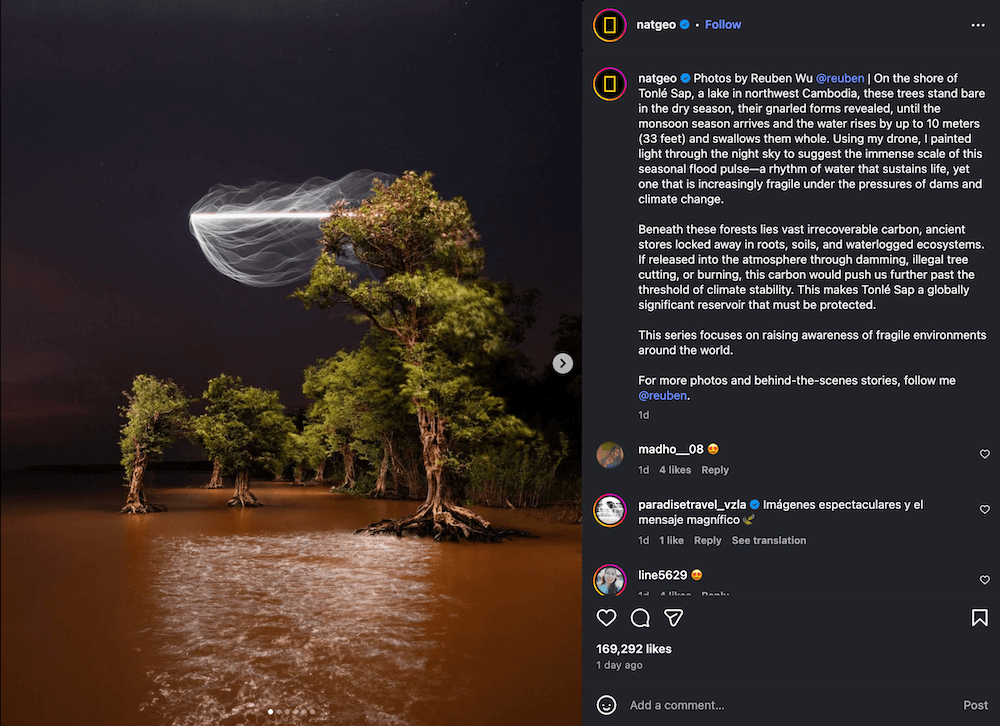
National Geographic exemplifies Instagram mastery with over 278 million followers, pairing stunning photography with educational captions that spark conversation. On the brand side, Chipotle and Auntie Anne’s keep content fun and timely by tapping into cultural moments—National Pretzel Day posts or Star Wars-themed content that feels playful rather than promotional.
How to optimize your Instagram presence:
- Invest in visual quality and consistency. Instagram is visual-first, so prioritize attractive images and videos. You don’t need a huge budget—smartphone photos work if well-composed—but pay attention to lighting and framing. Aim for a cohesive grid that reflects your brand aesthetics through consistent color palettes or filters.
- Leverage Reels and Stories, not just feed posts. Reels currently enjoy extra algorithmic reach, so incorporate short, entertaining videos: how-tos, unboxings, before-and-afters, or playful trends set to popular audio. Stories are perfect for candid, day-to-day content like behind-the-scenes glimpses, polls, Q&As, or timely announcements. Their ephemeral nature creates FOMO and drives regular viewing.
- Build community through engagement and UGC. Respond to comments to show there are real people behind your account. Use interactive Story stickers (polls, quizzes, question boxes) to prompt participation. Encourage user-generated content campaigns where customers share photos with your product using a branded hashtag, then reshare their best posts. This provides authentic content while making fans feel seen.
- Partner with influencers strategically. Instagram thrives on influencer marketing. Identify creators who align with your brand values and have audiences that overlap your target. Use Instagram’s Branded Content tag and Collab posts to team up seamlessly. These collaborations feel more organic than traditional ads and often see higher engagement.
X : Real-Time Conversation and Customer Care
X (formerly known as Twitter) remains unique for real-time, rapid-fire content and public discourse. With an estimated 586 million monthly active users globally, it’s smaller than some networks but culturally influential. It’s the go-to platform for breaking news, trending topics, and direct brand-to-consumer interactions, often serving as the fastest way to resolve customer service issues publicly.
At the same time, the platform has seen substantial declines in revenue and active users since Elon Musk took over the platform. Usage is trending down, and the platform’s association with Musk’s polarizing brand has caused some businesses to reconsider their investment.
Why it matters: X’s strength is the speed and openness of communication. Posts are short (280 characters) and appear in a largely public feed, meaning content can spread virally through retweets and quote tweets. It’s hashtag-driven, with trending topics becoming global conversations. Many users tweet at companies expecting quick replies, and customers now expect to talk to brands on social media and get human responses “all on stage for the world to see.” How you handle inquiries is visible to everyone, which when done well showcases your commitment to customers.
Wendy’s famously gained followers through witty “roasts” of followers and rivals, crafting a sassy persona that boosted engagement. Oreo’s Super Bowl “You can still dunk in the dark” tweet during a power outage is still cited as real-time marketing genius—showing X’s potential for moment marketing.

How to optimize your X presence:
- First, consider whether it’s worth it at all. Proximity to Musk’s controversial brand and declining platform usage raise the question: is it worth investing heavily in this platform? For many brands, the answer may be to maintain a presence without over-investing, or to shift resources elsewhere.
- Define your brand voice and persona. X users appreciate brands with personality. Decide on a tone that fits your audience—witty and fun for B2C, or helpful and professional for B2B. Consistency helps your tweets stand out. Balance humor with tact; edgy jokes can backfire.
- Be timely and active. X’s timeline moves fast. Post regularly and jump into relevant trending topics when appropriate. Real-time marketing can amplify reach dramatically. If your audience is global or very active, don’t hesitate to tweet multiple times daily—repetition is fine given fleeting visibility.
- Prioritize customer engagement and support. Monitor mentions of your brand (even untagged) using X search or social listening tools. Respond promptly to inquiries—a quick, helpful reply demonstrates care publicly. Companies like Amazon run dedicated support handles with agents who sign off with initials, humanizing the brand through personalized assistance. A slow or non-response can be particularly damaging on this platform.
- Use multimedia and interactive features. Tweets with images, GIFs, or videos garner more engagement. X polls drive interaction and show you value input. Use threads (tweetstorms) for storytelling or sharing lists of insights—breaking longer messages into bite-sized tweets keeps people reading and increases dwell time.
LinkedIn: Professional Networking and B2B Thought Leadership
LinkedIn is the go-to platform for professionals, making it invaluable for B2B marketing, employer branding, and thought leadership. It now exceeds 1.15 billion members globally, including decision-makers across virtually every industry. In the U.S., about 43% of adults have a LinkedIn profile, concentrated among those with higher education—over 50% of Americans with bachelor’s or advanced degrees use it.
Why it matters: LinkedIn’s strength is its professional context. It’s a place for sharing industry news, career achievements, case studies, and insights—content that might seem too promotional elsewhere can be appropriate here. The platform saw 1.77 billion visits in a single month, and while users log in less frequently than other networks, when they do they’re in a business-focused mindset. Interestingly, text posts often perform better than image or video posts in terms of reach and engagement—LinkedIn’s audience values substance over flashy visuals.
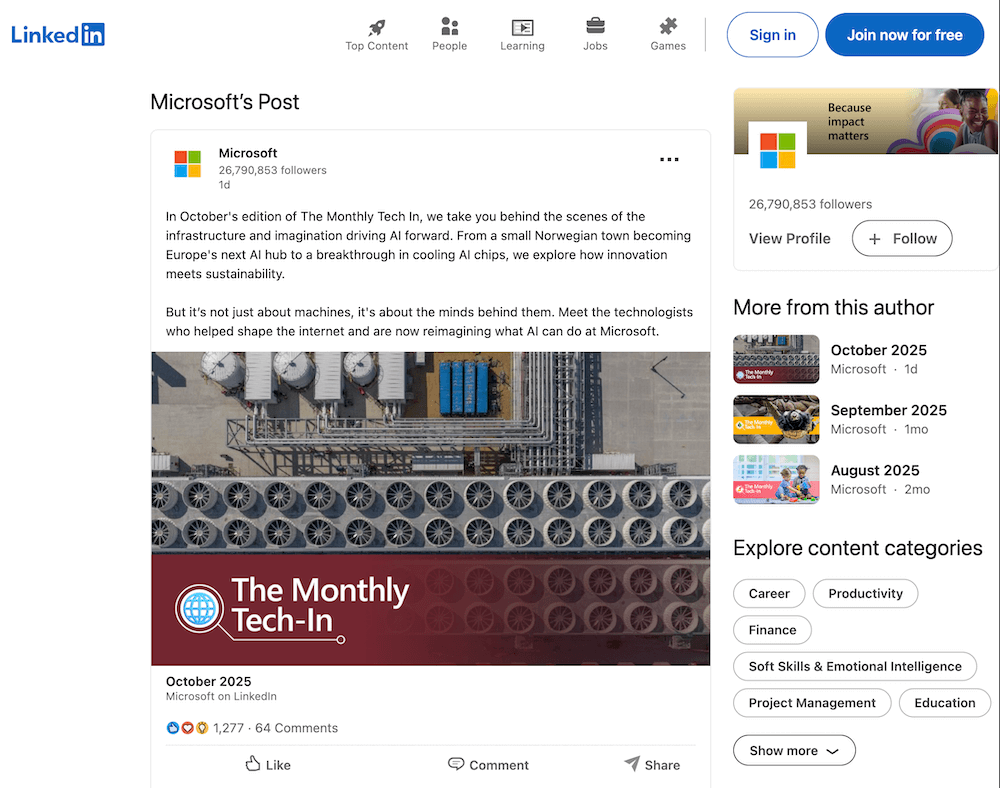
Microsoft uses its LinkedIn presence to distribute thought leadership on digital transformation, AI, and sustainability, positioning itself as a knowledge leader. Adobe showcases user success stories and creative work from its community, building a community around customer achievements. Patagonia leans into posts about environmental activism and ethical business, attracting professionals who share those values.
How to optimize your LinkedIn presence:
- Empower leadership and employees to be active. This is perhaps the most critical step of all. People, not logos, often drive LinkedIn engagement. Encourage your leadership team and engaged employees to post and share. When employees amplify company content with a personal touch, it reaches their networks and feels more authentic. Employees have, on average, 10x more connections than a company has followers—leverage that reach.
- Share insight-rich, valuable content. LinkedIn users look for content that helps them professionally. Focus on educational posts: case studies, industry tips, commentary on relevant news, or key findings from research. Text posts can perform exceptionally well—a few short paragraphs telling a compelling story or posing a thought-provoking question often spark meaningful conversations. Aim to become a go-to source of perspectives in your niche.
- Utilize publishing and newsletter features. LinkedIn’s article publishing platform lets you write full-length blog posts that appear in connections’ feeds and on your profile. This is excellent for thought leadership—a CEO publishing “5 Predictions for Our Industry in 2025” establishes authority. LinkedIn’s newsletter feature builds a subscriber base that gets notifications with each new edition, increasing visibility for regular insights.
- Engage authentically with others. Comment thoughtfully on industry-relevant posts by thought leaders or potential clients. Adding substantive comments (not just “great post”) increases your visibility to that person’s network and subtly demonstrates expertise. Join LinkedIn Groups aligned with your industry, share insights, and answer questions—helpful participation can lead to connections and leads without overt selling.
TikTok: Short-Form Video and Viral Culture
TikTok has upended social media in just a few years, becoming a cultural phenomenon with 1.5+ billion monthly active users globally, making it the fifth most popular social network by size. In the U.S., it has over 135 million monthly users, with 76% of 18-24 year-olds on the platform. Users spend 25+ hours per month on the app—more than YouTube or Instagram—and over half engage with brand content daily.
Why it matters: TikTok’s core format is short-form vertical video (15-60 seconds), set to music or viral sounds, created with in-app editing tools. The algorithm aggressively personalizes content through the “For You Page,” creating extremely engaging feeds. The platform’s strengths include virality potential (even small brands can gain huge reach with a single video), creative freedom, and a trend-driven culture. Unlike Instagram’s polished aesthetic, TikTok celebrates creativity and humor over perfection—which benefits brands without big production budgets.
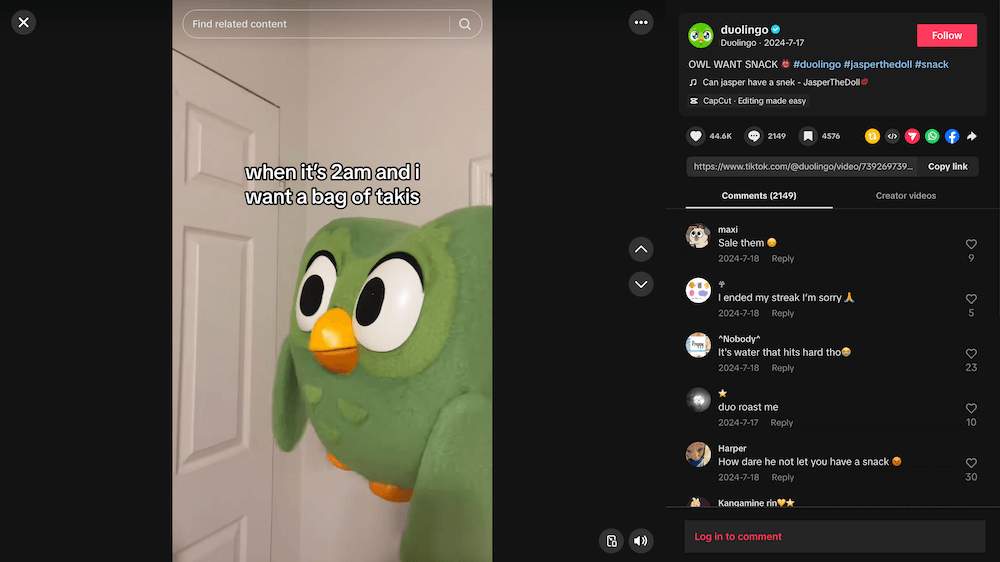
Duolingo’s TikTok went viral thanks to its mascot appearing in comedic skits using self-referential humor, amassing millions of followers. Chipotle found success with challenges like #GuacDance, which generated 250,000 video submissions and 430 million views, driving record guacamole sales. Even Scrub Daddy (the sponge company) garnered a following by personifying their smiling sponge in clever trend-driven videos. These cases show TikTok rewards creativity and relatability over production budgets.
How to optimize your TikTok presence:
- Adopt a creator mindset. TikTok isn’t the place for stiff corporate marketing. Observe trending formats, memes, and songs, then participate in ways that fit your brand. Don’t fear showing a lighter side or poking fun at yourself. Low-fi production is acceptable—many viral brand videos are shot on phones in offices or stores. The key is creativity and timing, not polish. When you see a trend with a 3-5 day prime window, jump in quickly if it makes sense for your brand.
- Hook viewers in the first 2-3 seconds. TikTok’s feed is highly competitive and users swipe fast. Effective videos have strong hooks: visually striking scenes, on-screen text teasing something interesting, or upfront questions that create curiosity gaps. A cake shop might show dramatic hyper-speed decorating; a coffee roaster might pose “Here’s what most people don’t know about roasting…” Grab attention early, then deliver swiftly.
- Engage through duets, stitches, and comments. Reply to comments on your videos, and use the “reply with video” feature when someone asks a question—creating response videos shows you’re listening and often performs well. Use duets and stitches to incorporate another user’s video into yours, joining conversations and exposing your content to wider audiences.
- Collaborate with TikTok creators. Partner with relevant creators who have dedicated niche followings. Give them creative freedom to present your brand authentically to their audience. Micro-influencers (50k engaged followers) sometimes drive more action than macro celebrities because engagement rates are higher and content feels more genuine.
YouTube: Long-Form Content and Searchable Visibility
YouTube is often called the world’s second-largest search engine (after Google, which owns it). With around 2.5 billion monthly active users, its reach is enormous—83% of U.S. adults have used YouTube, making it more widely used than even Facebook. For brands, YouTube offers a platform to host video content that can educate, entertain, and be discovered over the long term via search.
Why it matters: YouTube content is evergreen—a useful video can attract viewers for years through search and recommendations. Unlike fast-moving social feeds, people come to YouTube with intent: to find specific content or settle in for longer viewing sessions. Many consumers watch unboxing videos, product reviews, or how-to guides before purchasing, making YouTube integral to the buying journey. The platform supports longer content (5-minute tutorials to hour-long webinars), has robust monetization and advertising systems, and YouTube Shorts now offers brief vertical videos to capture quick-bite audiences.
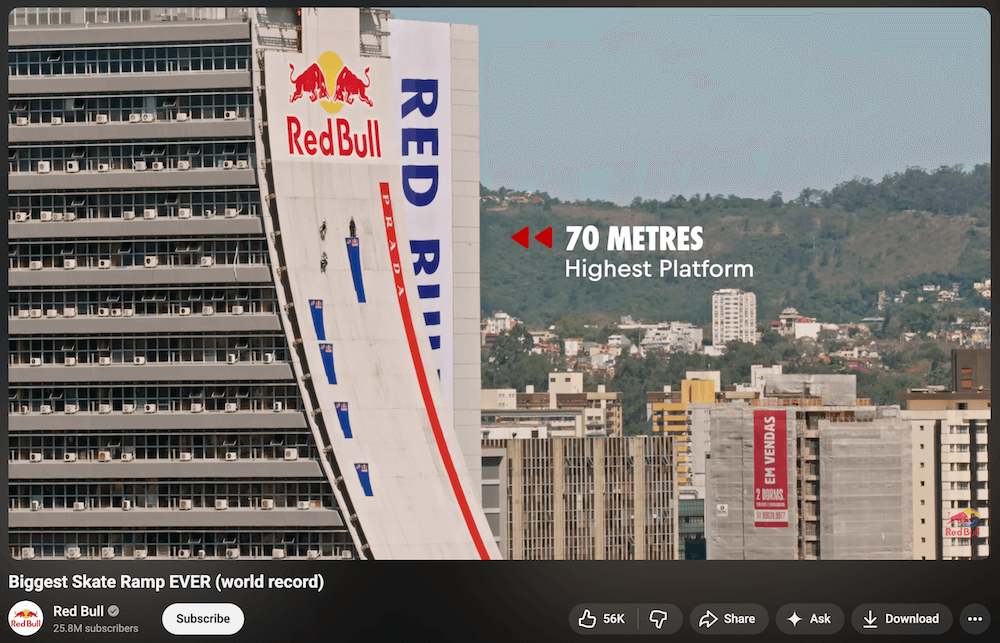
Red Bull transformed marketing into entertainment—their main channel has ~10 million subscribers and videos full of extreme sports, stunts, and event highlights that barely mention the drink but intensely promote the lifestyle their brand represents. Their strategy of focusing on content their audience loves has made them arguably as much a media company as a beverage company.
How to optimize your YouTube presence:
- Create content that provides value. Before making a video, ask what viewers gain. Aim to educate, help, or entertain. Tutorials, explainer videos, product demos, Q&As, and industry insights all cater to people’s desire to learn. Behind-the-scenes peeks or collaborations with entertaining personalities lean toward engagement. Overly promotional videos won’t gain organic traction. Think of common questions related to your business and make videos about those—YouTube is a search engine, after all.
- Optimize for search and discovery. Use clear, descriptive titles with keywords someone might search. Write descriptions with relevant keywords naturally included, and add tags covering your brand name, broad topics, and specific topics. Upload custom thumbnails that are eye-catching (faces, bold text, or vivid imagery tend to get higher click-through). A compelling title/thumbnail combo significantly impacts whether people click your video when suggested.
- Establish consistent posting and recurring formats. Having a regular schedule trains subscribers to expect new content. Consider recurring series: “Tech Tip Tuesday” or monthly “Ask the CEO” Q&As. Consistent formats make production easier and build loyal viewership—people who liked one episode will likely watch more.
- Encourage engagement and build community. Ask viewers to like, comment, and subscribe in your videos—simple prompts increase those actions. Make it specific: “If you found these tips helpful, let us know in the comments which tip you’ll try first.” Monitor comments and respond when appropriate, especially in the first hours after posting. Use YouTube’s Community tab (once you have enough subscribers) to post text updates, polls, or behind-the-scenes photos between videos.
Pinterest: Visual Discovery and Niche Audience Engagement
Pinterest is a unique platform often described as a “visual discovery engine” with around 578 million monthly active users globally. While smaller than Facebook or Instagram, it holds significant sway in DIY, home decor, fashion, beauty, recipes, and event planning. The user base is predominantly female (about 69%) and strongly Millennial (roughly one-third are 25-34).
Why it matters: Pinterest excels as a source of inspiration and ideas. Users come with high intent—they’re looking for things to try or buy. In fact, 46% of weekly users have discovered a new brand or product on Pinterest, and users are 3x more likely to click through to a brand’s website than on other social media. Content on Pinterest is evergreen—a Pin you create today can surface in search results and be re-pinned months or years later. This long lifespan contrasts sharply with the rapid churn on Facebook or X.
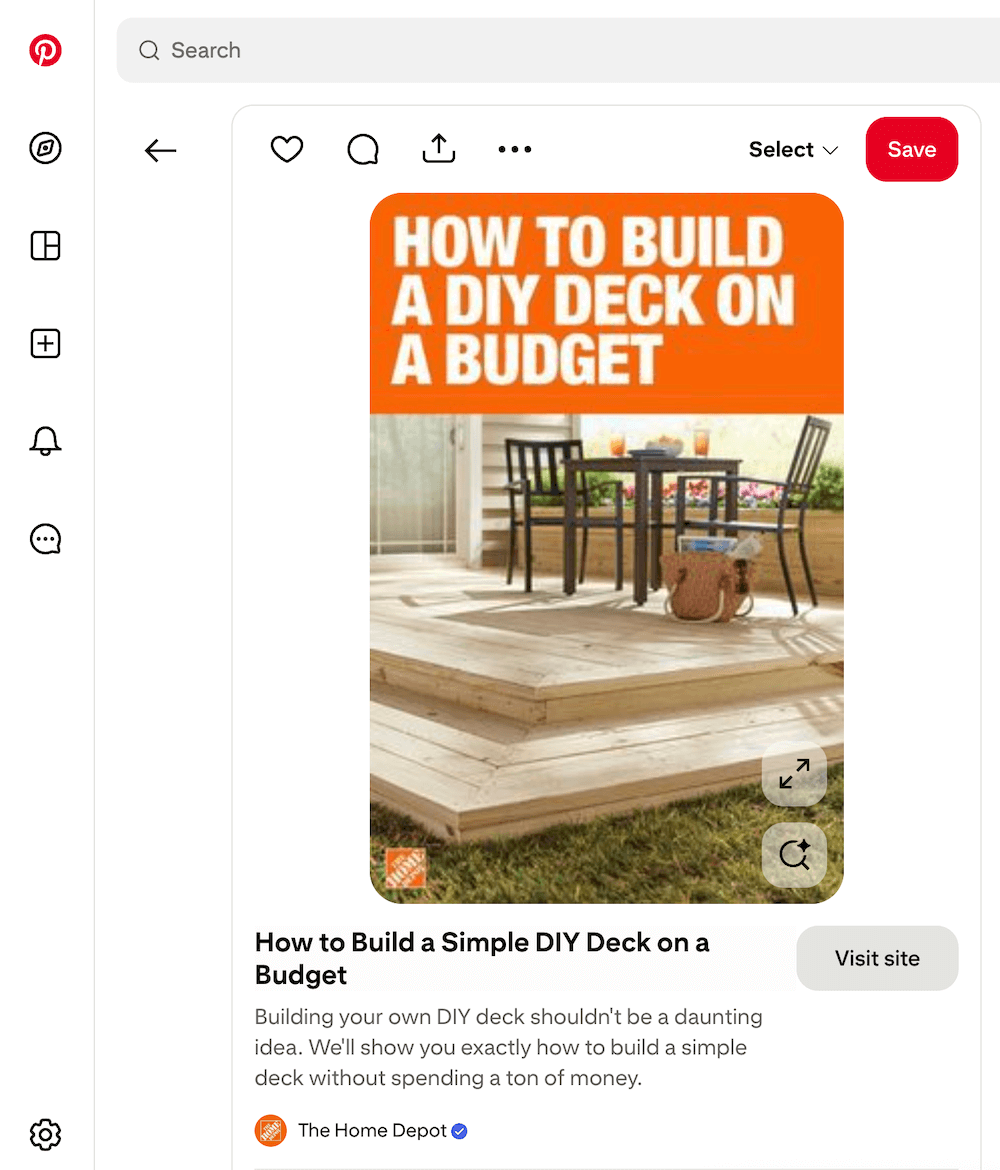
For brands in visually-rich sectors, Pinterest can be a steady driver of referral traffic and sales. Home Depot has deployed this strategy effectively, with a focus on DIY projects and home inspiration that shortens the journey from discovery to conversion. Each Pin is essentially a direct link back to your site, making it more like a search engine than a social feed. Eight out of 10 users say Pinterest makes them feel positive, likely because it’s about aspirational content rather than personal status updates—a favorable mindset for brands.
How to optimize your Pinterest presence:
- Use high-quality, vertical visuals with text overlays. Pinterest is highly visual, so invest in eye-catching images or graphics. Vertical aspect ratio (2:3 or 1:2) is ideal because it takes up more screen real estate. Overlay text that communicates what the content is or the benefit: “DIY Coffee Table Tutorial” or “Top 5 Hiking Trails in Colorado” immediately conveys why someone should click. Use clear, readable fonts aligned with your brand style.
- Incorporate keywords in Pin titles and descriptions. Pinterest has its own search algorithm where keywords are crucial. Research by typing relevant terms in Pinterest’s search bar to see suggested auto-completions. When creating a Pin, write descriptions that naturally include keywords. For example: “Brighten up your living space with these 5 low-light indoor plants that are easy to care for. Perfect for beginners, these houseplant decor ideas will add a touch of green to any room.” Proper keyword usage helps Pins appear in searches and algorithmic recommendations.
- Organize boards by topic and make them discoverable. Create several themed boards with descriptive, keyword-rich names rather than cutesy titles. For example, a food brand might use “Healthy Breakfast Recipes” and “Easy Weeknight Dinners” instead of vague names. Write board descriptions explaining what people can find there. Pin your own content to appropriate boards and supplement with other quality Pins to keep boards fresh and useful.
- Leverage Rich Pins and Shopping features. If you have products or recipes, set up Rich Pins, which pull extra metadata from your website—for products, they show real-time price and availability; for recipes, ingredients and cooking times. If you sell products, upload your catalog so products become browsable via Shop tabs and Shoppable Pins. Pinterest users often have purchasing intent, so removing friction can boost conversions.
Snapchat: Ephemeral Content and AR Engagement with Gen Z
Snapchat remains significant for reaching young audiences with more than 900 million monthly active users as of early 2025. Most tellingly, Snapchat reports it reaches 90% of U.S. 13-24 year-olds and 75% of 13-34 year-olds—unparalleled coverage of Gen Z and young Millennials. If your target consumers fall in that age range, Snapchat is highly relevant.
Why it matters: Snapchat pioneered Stories (24-hour ephemeral posts) and augmented reality lenses/filters. It’s largely used as a private messaging app, but the Discover section and Stories allow content broadcasting. For brands, Snapchat is valuable for building loyalty through quick, engaging touchpoints—often fun or exclusive content leveraging the app’s creative tools. Users open the app frequently (40+ times daily on average), offering repeated exposure. What’s more, 63% of users have used Snapchat to make a purchase decision, and 55% have shared ads with friends, amplifying reach through word-of-mouth.
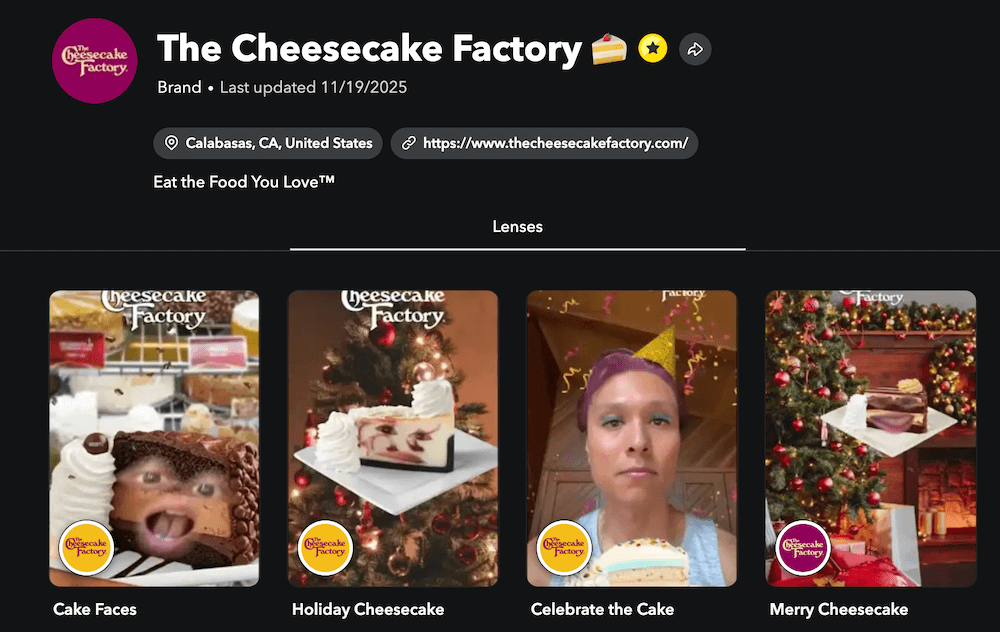
One huge strength is branded AR lenses. A clever AR experience can get tons of people not just seeing your brand but actively playing with it and sharing selfies—strong endorsement to their friends. Geofilters (location-based overlays) work well for events or store locations, encouraging user-generated promotion when people are on-site.
How to optimize your Snapchat presence:
- Keep content spontaneous, candid, and platform-native. Embrace authentic, behind-the-scenes content. Use your phone camera with Snapchat’s creative elements—fun filters, AR lenses, stickers, captions with personality. Show things as they happen: quick office tours, unboxing shipments, sneak peeks of upcoming products. This makes followers feel like insiders. Post consistently—even a couple snaps every other day—to remain visible in followers’ Story lists.
- Leverage interactive AR lenses and geo-filters. Use Snap’s Lens Studio to create simple AR experiences. If you have budget, consider sponsored lenses during key campaigns. Over 300 million Snapchatters engage with Snap AR; you can effectively turn these users into brand ambassadors when they send selfies with your branding. Custom geo-filters for physical locations or events create community—if you run a restaurant or store, a fun frame people can add when snapping at your location encourages sharing.
- Offer exclusive content or promotions. Reward Snapchat followers with things your general audience doesn’t get: flash sales, promo codes announced only via Story, giveaways where participation is via Snap, or sneak peeks of new products. The ephemeral nature pushes immediate action. Making your Snapchat followers feel like insiders keeps them engaged.
- Cross-promote and integrate with other platforms. Growing on Snapchat can be challenging since discovery is limited. Use your presence on other social media to promote your Snapcode or username. Post it on Instagram Stories or X with compelling reasons to follow. Collaborate with influencers big on Snapchat—a “Snapchat takeover” where an influencer runs your account for a day can draw their audience to follow you.
Reddit: Community-Driven Discovery, Research & Candid Feedback
Reddit is a vast network of topic-based communities (subreddits) with substantial U.S. penetration, especially among 18-29 year-olds. What makes Reddit particularly valuable is its role as a high-intent product research platform—people turn to Reddit for comparison shopping, “is it worth it?” threads, and candid peer reviews. The platform’s forum-style content also increasingly ranks in Google searches for how-tos and reviews, providing evergreen discoverability that extends well beyond Reddit itself.
Why it matters: Reddit’s subreddit ecosystem creates focused communities with clear rules and active moderation. Content surfaces through upvote/downvote mechanisms, ensuring quality rises to the top. The platform has a strong AMA (Ask Me Anything) culture that enables transparent Q&As with experts or leaders. Threads persist and rank in both Google and Reddit search for months or years, unlike ephemeral social content. Brands can even create owned subreddits if they can commit to proper moderation and programming.
The catch: Reddit requires participation, not promotion. Redditors value authenticity and will quickly call out blatant marketing. Brands like Audi have run successful live AMA series with celebrities, Bill Gates hosts recurring transparent AMAs that earn trust and massive reach, and companies like Purple Mattress maintain owned subreddits for reviews and support while Mint Mobile keeps an official presence that assists lightly while letting the community lead.
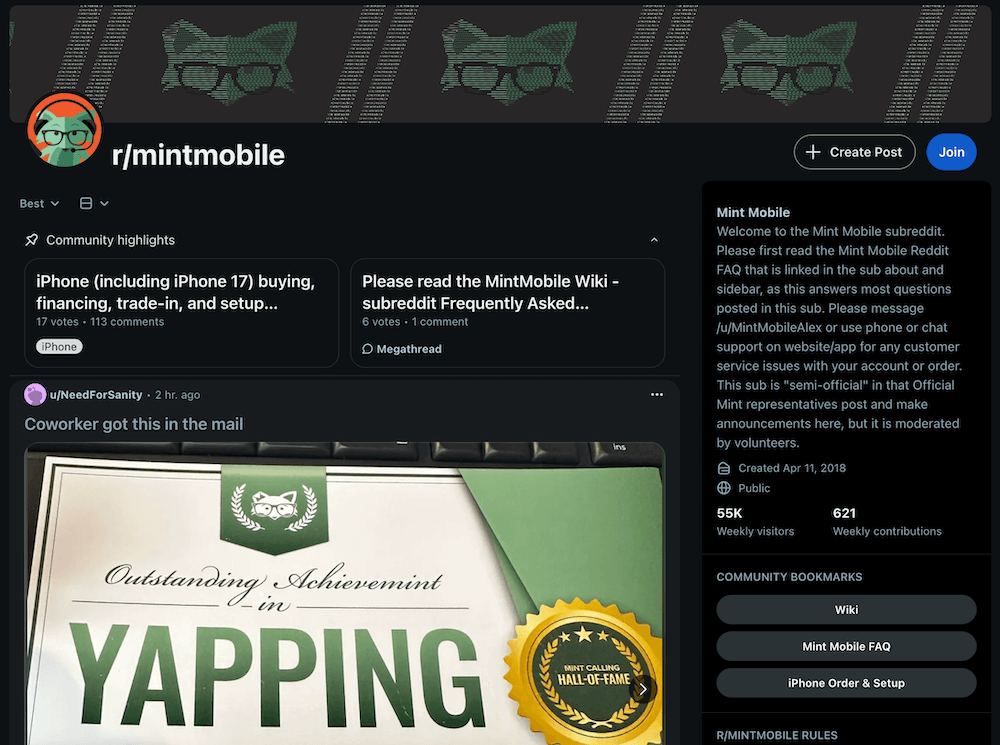
How to optimize your Reddit presence:
- Discovery and listening first. Map 10-20 target subreddits across your category and buyer journey. Track recurring questions and pain points. Understanding what your audience genuinely cares about on Reddit is essential before participating.
- Run a human-operated branded account. Answer questions, share research or benchmarks, and link sparingly with context. Always cite sources and disclose your affiliation. The goal is to be helpful, not promotional. If someone asks “What’s the best software for X?” and your product fits, you can mention it—but explain why specifically it addresses their needs and acknowledge alternatives.
- Master the AMA playbook. If you want to run an Ask Me Anything, pick the right subreddit and get moderator buy-in first. Post proof of identity, promote 3-5 days ahead on other channels, staff subject matter experts to answer questions, and reply quickly during the event. Archive and lock the post afterward. A well-executed AMA can generate massive goodwill and visibility.
- Respect the culture. Obey site-wide and subreddit-specific rules—many ban self-promotion entirely. Have an escalation plan for heated debates, clear internal guidelines, and legal/compliance support ready for AMAs. For promotions or giveaways, follow platform requirements with transparent rules and disclaimers.
Emerging and Niche Platforms: Balancing Opportunity vs. Resources
The social media world constantly evolves. Beyond established giants, new platforms regularly emerge—some skyrocket, others fade. As of 2025, a few notable newcomers and niche networks are worth watching.
Meta’s Threads launched mid-2023 as a text-centric Instagram companion (and X competitor), hitting 320 million monthly users by January 2025. It’s integrated with Instagram; you log in with your IG account and can auto-follow connections. Brands use Threads for casual, witty brand voice similar to how they used X, in a less combative environment. Usage post-launch has been mixed, though, and only 12% of marketers globally have incorporated it into strategy. If your brand has a strong Instagram following and suits real-time quips or thought leadership, maintain a Threads presence—but allocate resources wisely. It’s one to watch rather than a core pillar unless your audience is actively there.

Decentralized networks (Mastodon, Bluesky) gained traction responding to mainstream platform concerns. Mastodon hosts engaged niche communities—particularly in tech, journalism, and academia. Traditional marketing isn’t welcome in many instances; blatant promotion might be seen as spam. However, if you have an authentic voice and contribute value, you can establish presence. A game dev company might join a Mastodon instance for game developers, sharing progress updates as community members rather than marketers. (An “instance” is a single Mastodon community site.) Bluesky mimics X’s feel with eventual decentralization goals, but has a tiny userbase currently. For now, these are experimental—consider claiming your handle to prevent impersonators and passively monitor, but keep it low priority unless a subset of your audience is highly active there.
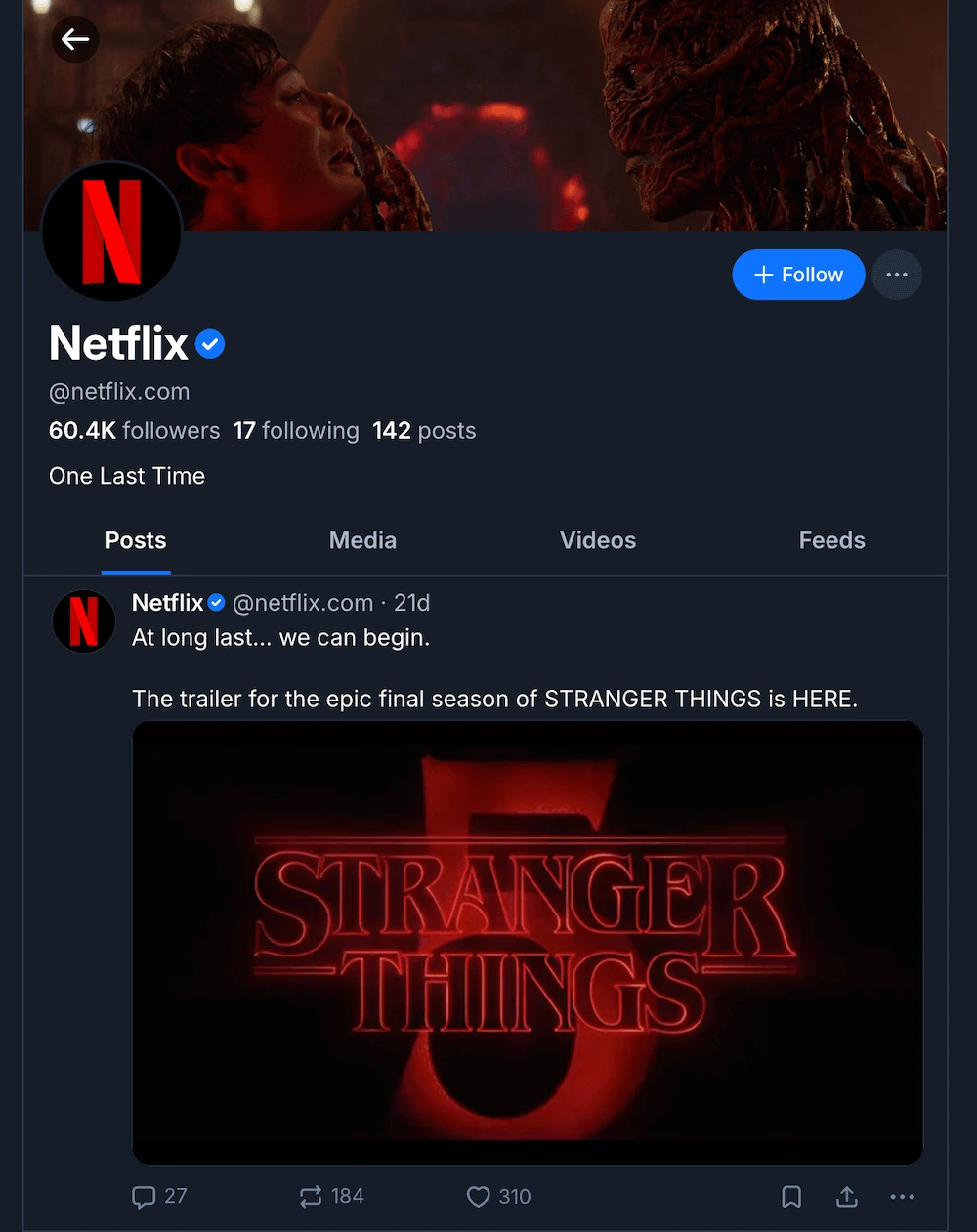
BeReal and authenticity-focused apps gained popularity with their anti-curation ethos (BeReal prompts users to post raw, unfiltered photos at random times daily). While brands can (and do) have official presences, the trend toward authenticity is perhaps what matters more than the platform itself. BeReal’s concept has affected others (Instagram rolled out dual camera features). Investing in BeReal itself may not be a high priority, but the lesson is clear: incorporate authenticity into your main channel content. Consumers, especially Gen Z, crave real-life relatability over highly polished posts.
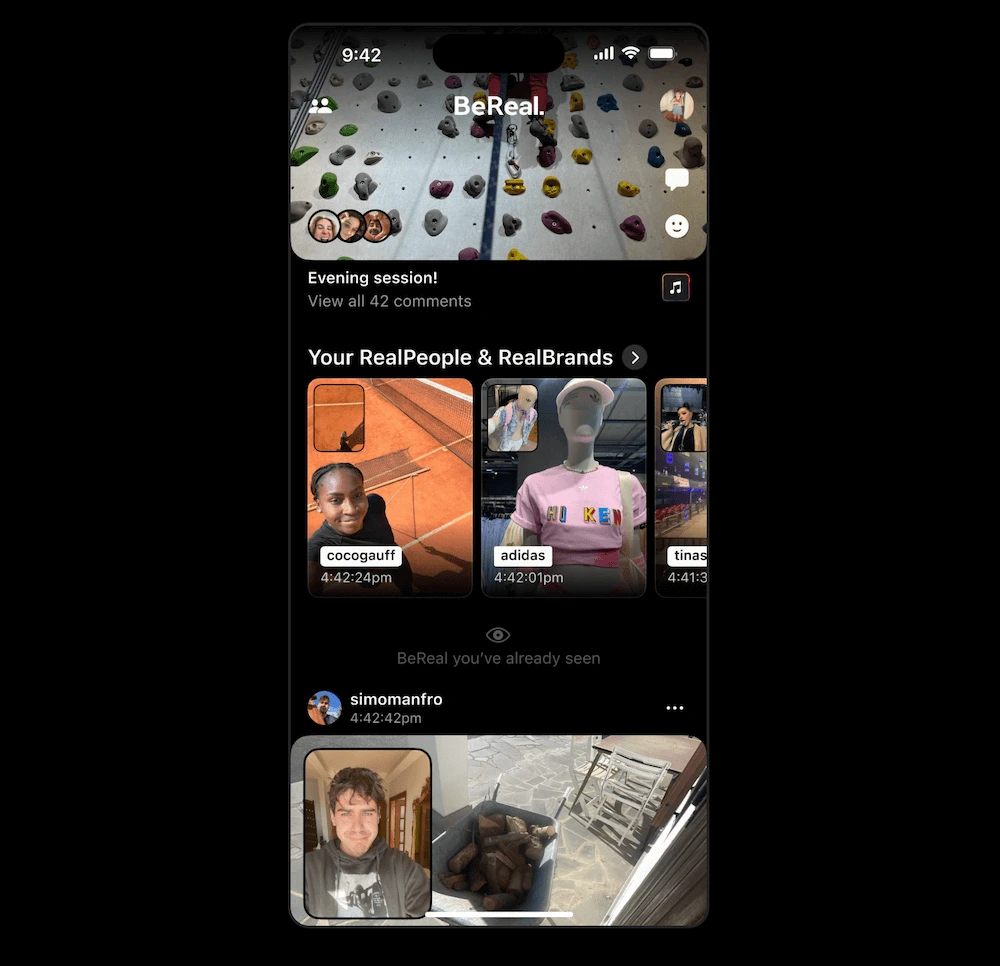
Audio and community platforms include Discord and Twitch. Discord has grown steadily for communities (especially gaming, tech, crypto, fandoms, education). Many brands launch Discord servers to foster discussion, give support, or run live events—but it requires commitment to keep communities active and safe. Twitch is a live streaming platform (mostly gaming, but also music, creative arts) where brands sponsor streamers or host their own streams. Twitch’s strength is long-form engagement—fans spend hours watching favorite streamers, yielding deep impressions. But it targets a specific demographic. Exploring Twitch or Discord makes sense if it aligns with your audience and content style.
Pros and cons: Getting in early on a platform can establish your brand as innovative and gain followers before competition is heavy. Early TikTok adopters in 2019 often have millions of followers now. Early adoption allows you to shape industry conversation and be seen as a leader. Some emerging platforms have highly engaged communities and favorable algorithms for new content.
The biggest downside is uncertain longevity and opportunity cost. You could invest time into a platform that never gains critical mass or fizzles after hype (Clubhouse, anyone?); that effort might be better spent deepening engagement where you already have an audience. Each new platform has a learning curve and potential need for new content formats, straining resources. For smaller businesses, being highly active on every new network is impractical—focus is needed.
Consider allocating a small “R&D” portion (5-10%) of social media time to new platforms, so that you can establish a presence and be ready to pivot if an emerging platform takes off dramatically or an established one declines. Evaluate fit with your brand voice and content, since not every platform suits every brand; choose platforms that align with content you excel at and where your desired community would welcome you. Claim your username to secure it, then experiment judiciously and monitor the results.
Building Your Strategic Social Presence, From Strategy to Execution
In 2025, optimizing your brand’s social media presence means strategically playing to each platform’s strengths while maintaining consistent brand identity. Prioritize platforms where your target audiences are most active, whether building community on Facebook, crafting visual stories on Instagram, delivering insights on LinkedIn, or entertaining through video on TikTok and YouTube.
A few universal principles apply across these platforms: consistency in posting keeps you relevant in fast-moving feeds; authenticity connects with users seeking relatable brands over polished marketing; and audience-centric content means understanding why people use each platform and delivering value accordingly. Engagement is a two-way street—brands that actively converse with followers foster communities that become loyal advocates.
An optimized social strategy isn’t about being everywhere, but being smart and intentional wherever you choose to be. Focus on platforms where you can authentically provide value, use analytics to refine your approach, and stay adaptable as the landscape evolves.
Ready to elevate your social media strategy? TELL ME MORE® helps brands build meaningful engagement across the platforms that matter most. Contact us to explore how we can help you achieve your goals.